RACE PHOTOS
Copyright and Fair Use of Your Race Photos
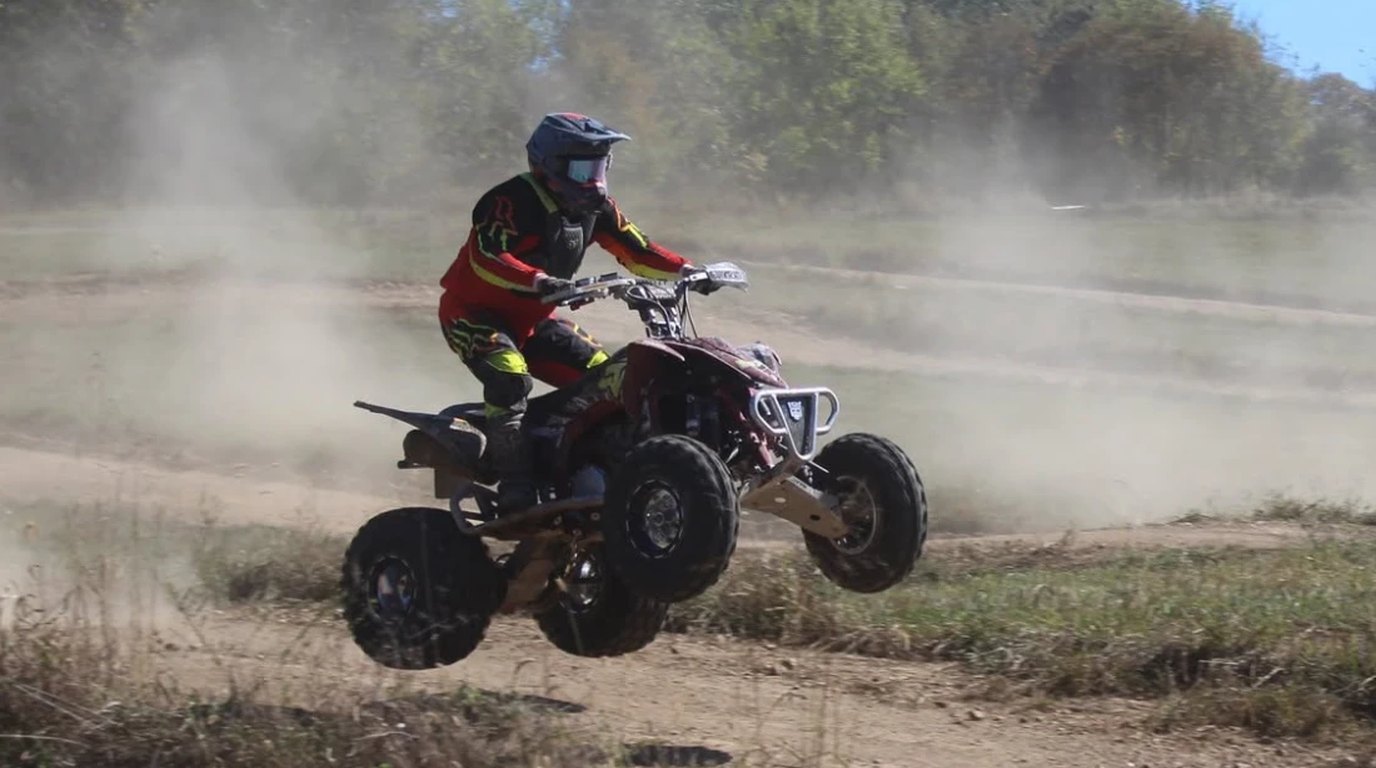
QUICK ANSWER
By default the photographer owns the photograph, and anyone can photograph you in a public place. A photographer can always use a photo for personal use, but for commercial use they must either remove all likeness and transform the image, or have the rider's consent.
If you've ever raced a hare scramble and later spotted a great photo of yourself online, you've probably wondered: who actually owns that picture? Can the photographer sell it? Can you get it put on a shirt? These questions come up constantly, and the answers are more complicated than most people expect.
I shoot photos at ATV and dirt bike races for fun, mostly of my son and husband, but I end up capturing a lot of other riders too. Some of those shots become art pieces. Over time I've had to learn exactly what I can and can't legally do with them, and I made a video walking through it. This article covers the same ground so you can read it at your own pace.
Watch the full video here: youtu.be/XflmQ-KmDf0
What is the difference between copyright and fair use?
Copyright means someone is the legal owner of a creative work, and the owner gets to decide what happens with it. This applies to any creative work, but here we're talking about photographs.
Fair use is the flip side: it covers who can fairly use something they don't own. Things like news reporting, teaching, parody, and commentary can allow you to use work you don't own, but the key is that you're using it to produce some new thing. Fair use is a big topic with a lot of nuance, and it's not the whole story when it comes to selling photos of people, so don't assume "fair use" is a free pass.
Can someone photograph you in public?
Short answer: yes. Anytime you're in a public place, anyone can take your picture. The moment you leave private property and head to a public event or public grounds, you're effectively saying you're willing to have your picture taken.
There are a couple of important exceptions where it is not okay:
- When someone is in distress. If a person is hurt and needs help, it's wrong to stand there taking photos instead.
- When the photographer is harassing the subject. A photographer can't be intrusive into someone's personal space. This is the paparazzi problem.
Outside of those situations, your picture can be taken, and here's the part that surprises people: whoever takes the picture is the copyright owner of it. So every photo I take at a race, I legally own, even though it's a picture of someone else. That's where it gets complicated.
What is the difference between personal use and commercial use?
Owning the copyright doesn't mean I can do anything I want with it. There's a big difference between personal use and commercial use.
For personal use, the photographer is the owner, full stop. I can print the photo, put it in a scrapbook, hang it on my wall, show it to my friends, and make art with it inside my own home.
For commercial use, meaning actually making money from it, owning the copyright isn't enough when the photo contains someone else's likeness. I can't just take a photograph of another rider and sell it.
How can a photographer sell a photo that has a person in it?
You have to remove the person's entire likeness, and "likeness" is much broader than just a face or a name. It includes:
- The face and the name
- A company logo on a jacket
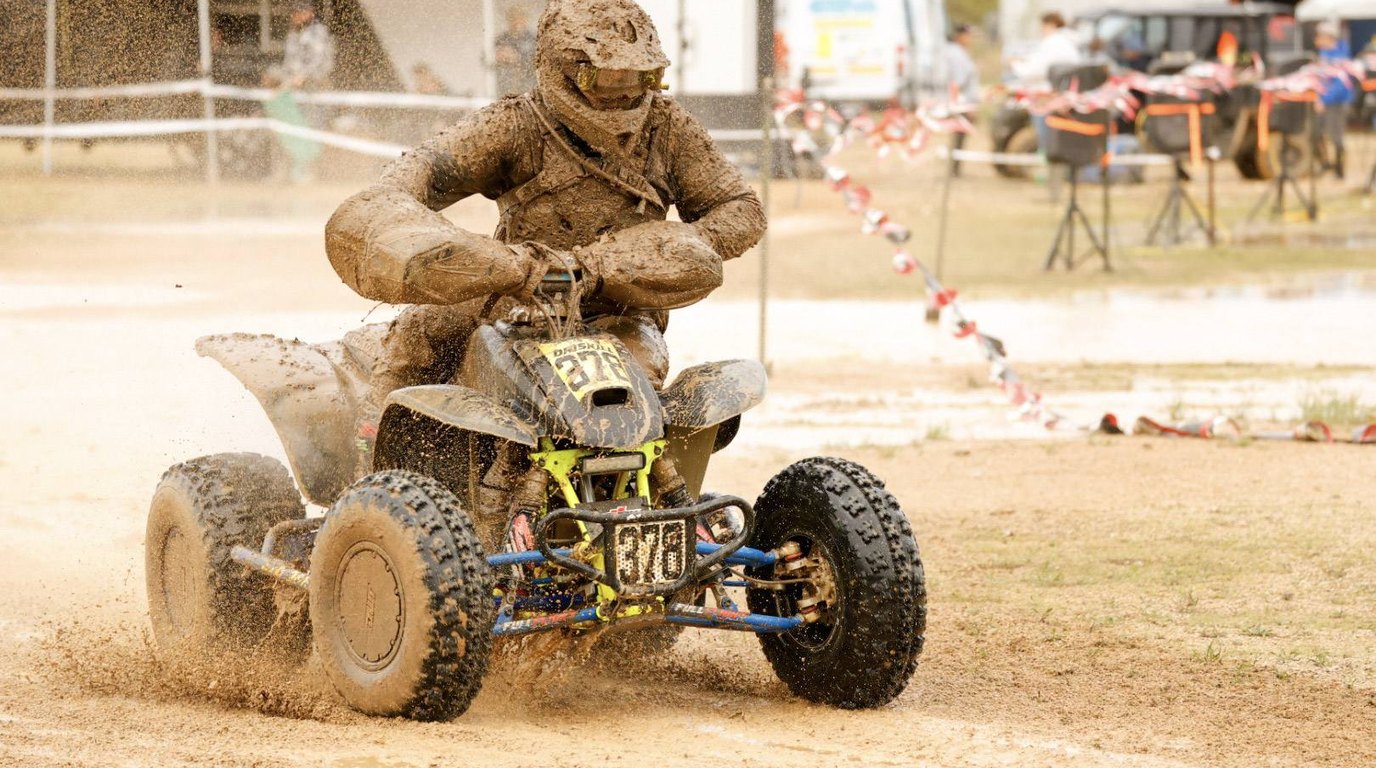
- A number plate on the four-wheeler
- A license plate
- An identifiable background, like a restaurant from that person's hometown
The standard I hold myself to: someone should not be able to look at the image and track that person down based on what they see. Yes, tracking someone down from a number plate would take effort, but if the identifying information is there, someone could put in that effort. That's the problem.
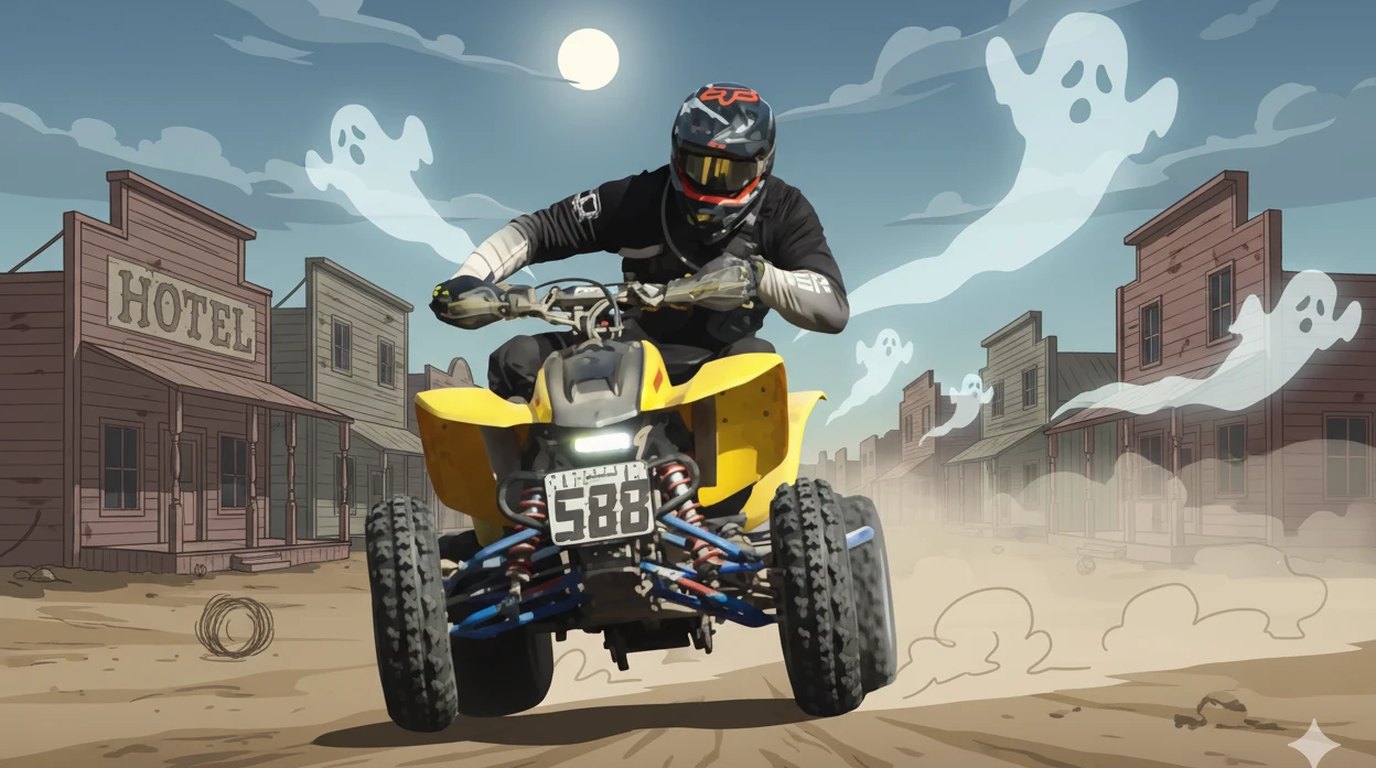
Personally, I go a step further than the bare legal minimum. Even after all identifying information is removed, I want the image to be transformed into something else entirely, so the person is genuinely unrecognizable. There are gray-area images where the likeness is technically gone but the shape still reads as a specific person, and I won't sell those. The courts might rule differently, but that's the line I draw.
So technically, I could take a photo and sell it without ever talking to the person in it, as long as I've removed all likeness and transformed it into a new piece of art. If I can still see someone's face and I don't have their permission, selling it is not legal, because the likeness is still there.
What is the other path: opting in?
There's a second, simpler way a photo of you can legally be sold with your likeness still visible: you give permission. If you agree to let the photographer use your likeness, that photo can be turned into art and sold, face and all.
This is exactly how a rider can get featured on a shirt in my store. If you'd like that, here's what to do:
- Email getlostriding@gmail.com
- Reach out on Facebook, or
- Leave a comment on the video. I check all of those.
When I create a piece, it helps to have your name, your number, and your machine model (a lot of people buy shirts based on the machine the rider is on), plus your photo if I don't already have one. There's no payment to you for this. What you get is a listing of yourself up on the store that other people might buy. It's pretty cool to know someone out there is buying your likeness.
One important detail: you have to opt in. If I've photographed you in the past and made art from it that I've shared on social media, that art will not become a product unless you reach out and say "yes, turn this into a shirt." I don't make people opt out, because plenty of folks won't see a Facebook post in time to object. Requiring people to opt in protects everyone. You're in control of whether your likeness gets sold, and I'm comfortable knowing I never used your photo commercially without your okay.
Who owns a photograph? A quick recap
- By default, the photographer owns the photograph.
- A contract or agreement can give the photographer (or a business) the right to sell a subject's likeness.
- The photographer can always use a photo for personal use.
- For commercial use, the photographer needs to either (a) completely transform the image so the likeness is gone, or (b) have consent from the person.
- When there's a contract or agreement, the photograph can be used in its original form. It doesn't have to be transformed.
Want your own race photo on a shirt? Use the shirt designer, and read our photography tips for getting a photo that prints well.
Frequently asked questions
Can someone take my photo at a race?
Yes. Anytime you are in a public place, anyone can take your picture. The exceptions are when someone is in distress and needs help, and when the photographer is harassing the subject.
Who owns a photo taken at a race?
By default, the photographer owns the photograph, even if it is a picture of someone else.
Can a photographer sell a photo of me?
For commercial use, the photographer needs to either completely transform the image so your likeness is gone, or have your consent. A contract or agreement can also give the photographer the right to sell your likeness.
What counts as a person's likeness?
Likeness is much broader than a face or a name. It includes a company logo on a jacket, a number plate on the four-wheeler, a license plate, and an identifiable background, like a restaurant from that person's hometown.
How can I get my race photo made into a shirt?
You have to opt in. Email getlostriding@gmail.com, reach out on Facebook, or leave a comment on the video, and include your name, your number and your machine model, plus your photo if the photographer does not already have one.